Inspections That Catch Hidden Storm Damage
Roof Inspection in Wilmington for pre-storm preparation, post-storm assessment, insurance documentation, and home sale requirements
Homeowners along the Wrightsville Beach corridor and in Landfall schedule inspections before hurricane season and after every named storm to document damage for insurance claims and resale value. On Point Roofing Co conducts roof inspections in Wilmington that include attic-entry access, not just a roof walk, to check decking condition, insulation compression from leaks, and soffit vent blockage that traps moisture. Hidden damage from coastal storm seasons costs more than surface-level shingle issues, and attic-level inspection catches problems that affect VA and FHA loan appraisal requirements.
A thorough inspection involves walking the roof surface to check shingle condition, flashing integrity, and penetration seals, then entering the attic to examine the underside of the decking for water stains, soft spots, and ventilation issues. Surface-only inspections miss the hidden damage that shows up during insurance claims or buyer inspections, especially after wind-driven rain events common in this area.
Arrange an inspection to document your roof condition before the next storm season begins.
How Roof Inspection Addresses Hidden Damage
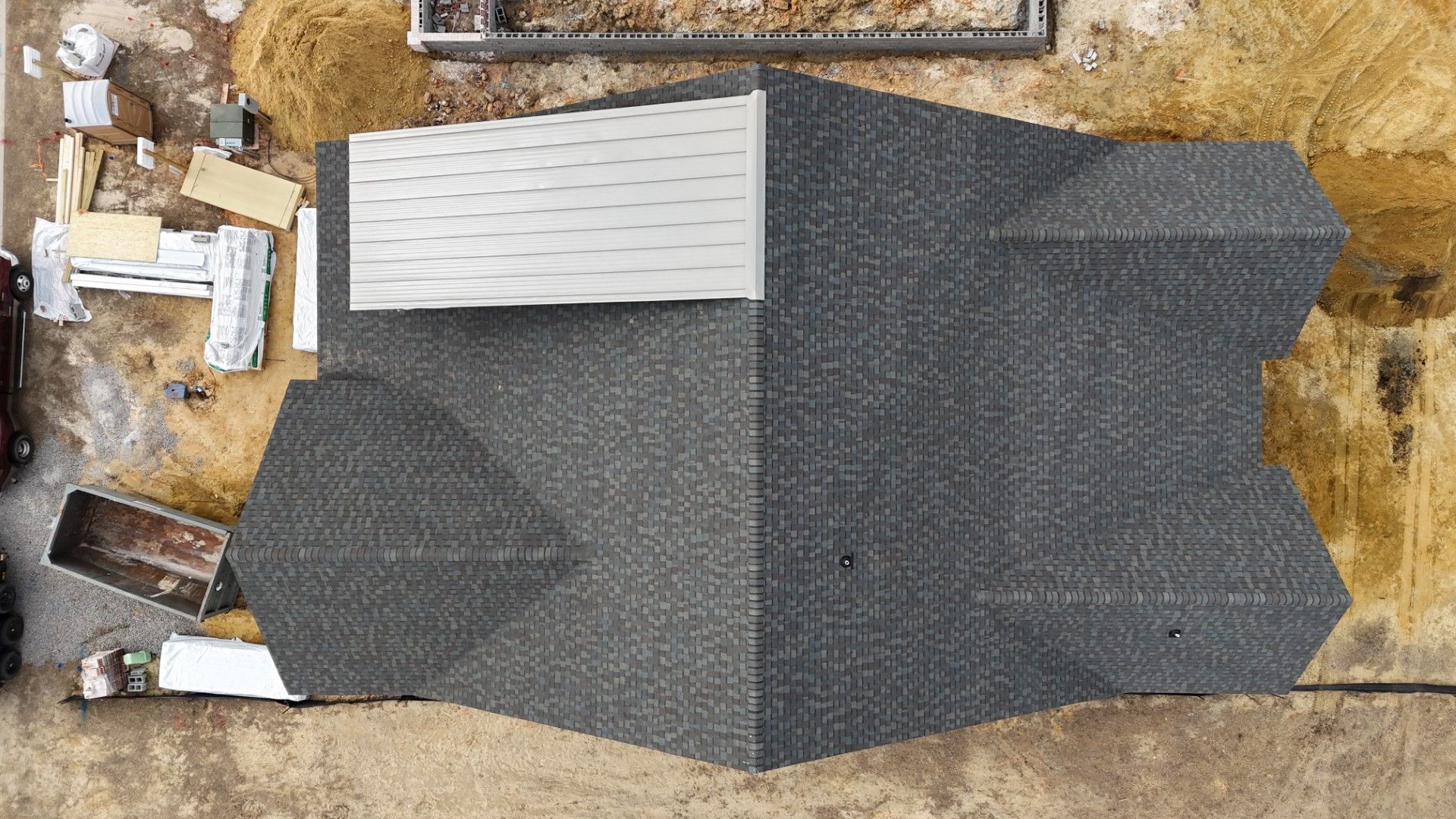
The inspection process includes photographing shingle wear patterns, checking valley integrity, testing fastener pull-through, and documenting any lifted tabs or missing granules. After the roof walk, attic entry allows direct examination of decking moisture, rafter condition, and whether previous leaks have compromised structural members or insulation performance.
You'll receive a detailed report with photographs and line-item findings that document current condition, noting any damage that qualifies for insurance claims or requires disclosure during a home sale. This documentation is critical for establishing timelines with insurance adjusters, especially when disputes arise over whether damage is storm-related or pre-existing.
Inspections are scheduled as standalone assessments or as part of a pre-storm preparation plan, and the report format meets insurance company and appraisal requirements. Attic-entry inspection is standard on every job, not an optional add-on, because surface-only checks leave money on the table during claims.
Common Questions About This Service
Property owners in Wilmington frequently ask about inspection timing and what the process includes, especially when preparing for hurricane season or closing on a home.
What does attic-entry inspection reveal that a roof walk doesn't?
Attic access shows water stains on decking, insulation compression from leaks, and soffit vent blockage that traps moisture, all of which affect insurance claims and resale value but aren't visible from the roof surface.
When should I schedule a roof inspection in Wilmington?
Pre-hurricane-season inspections in late spring document baseline condition before storm damage occurs, and post-storm inspections within days of a named event establish timelines for insurance claims.
How does the inspection report format work?
The report includes photographs of every issue, line-item descriptions of damage or wear, and documentation that meets insurance company and VA or FHA appraisal requirements for loan approval.
Why is attic inspection critical for Wilmington homes?
Coastal storm seasons drive wind-driven rain into attic spaces through compromised flashing or ventilation gaps, and hidden moisture damage costs more to repair than surface shingle issues.
Can a home inspector provide the same level of detail?
General home inspectors walk the roof but typically don't enter attics with the same focus on decking condition and moisture intrusion patterns that affect insurance documentation and warranty claims.
On Point Roofing Co goes inside the attic on every inspection, not just on top of the roof, because hidden damage drives the highest repair costs in this market. Schedule a pre-storm inspection to establish baseline documentation before the next weather event.