
Documentation That Closes Adjuster Gaps
Insurance Claims Assistance in Wilmington for homeowners facing disputed wind damage, lowball estimates, or denied coverage after storm events
North Carolina coastal homeowners deal with adjuster disputes after every named storm, especially in Carolina Beach and Porters Neck where insurers push back on whether damage is wind-related or pre-existing. On Point Roofing Co produces a line-item scope of damage report before the adjuster visit, closing the gap between initial insurance offers and actual replacement cost. This proactive documentation process puts you in the strongest position before the insurance company sets their offer, not after a lowball settlement is already on the table.
Insurance claims assistance involves documenting every damaged component with photographs, measurements, and material specifications, then compiling a scope that matches industry standards for pricing and replacement methods. Waiting until after the adjuster visits leaves you reacting to their assessment instead of establishing the damage narrative from the start, which costs homeowners thousands in underpaid claims every storm season.
Request a pre-adjuster damage assessment to document your roof condition before the insurance company arrives.
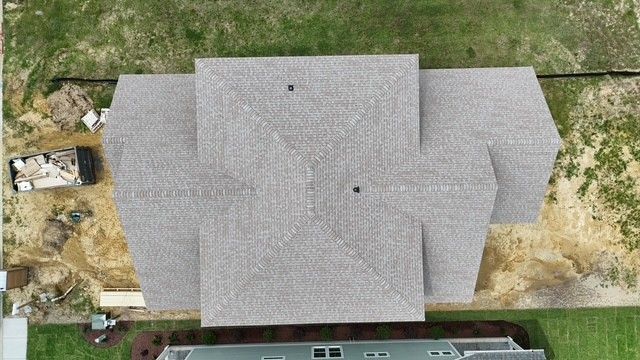
What Changes After Proper Documentation
The claims process begins with a detailed inspection that photographs shingle blow-offs, lifted flashing, compromised valleys, and any decking exposure caused by wind or hail. Each item is documented with measurements and descriptions that align with how insurance companies calculate replacement costs, eliminating ambiguity that adjusters use to reduce payouts.
Once the documentation is complete, you'll have a line-item scope in hand before the adjuster arrives, which establishes the baseline for negotiations and prevents disputes over what damage exists versus what gets covered. Homeowners with pre-adjuster documentation close claims faster and recover amounts that reflect actual repair costs, not the minimized estimates insurers offer when they control the narrative.
The documentation includes material specifications, labor requirements, and code compliance costs that adjusters often omit from their initial offers. Proactive documentation doesn't guarantee approval, but it eliminates the information gap that allows insurers to lowball claims based on incomplete assessments.
Answers to Frequent Service Questions
Homeowners in Wilmington dealing with storm damage often ask about the claims process and how documentation affects settlement amounts.
What's the difference between pre-adjuster and post-adjuster documentation?
Pre-adjuster documentation gives you control over the damage narrative before the insurance company sets their offer, while post-adjuster work forces you to dispute an already-lowballed settlement.
How does a line-item scope affect my insurance payout?
A detailed scope with measurements, material specifications, and labor costs eliminates the ambiguity adjusters use to reduce claims, often recovering thousands more than initial offers.
Why do Wilmington homeowners face so many disputed claims?
North Carolina coastal properties deal with annual storm cycles, and insurers routinely claim damage is pre-existing rather than wind-related, especially when documentation is incomplete or delayed.
Does On Point Roofing Co work directly with my insurance company?
The documentation process prepares you for the adjuster visit, and the scope can be shared directly with your insurer to establish the full extent of damage before negotiations begin.
What happens if my claim is still denied after documentation?
The scope provides a foundation for disputing denials with detailed evidence of storm damage, and it strengthens your position if you escalate the claim or involve legal counsel.
On Point Roofing Co builds the damage case before adjusters arrive, not after lowball offers are already issued, because proactive documentation protects your coverage rights. Schedule a damage assessment immediately after storm events to establish the strongest claim position.