Roofing That Resists Salt and Wind
Metal Roofing in Wilmington for properties where salt air corrosion and wind uplift exceed the limits of traditional materials
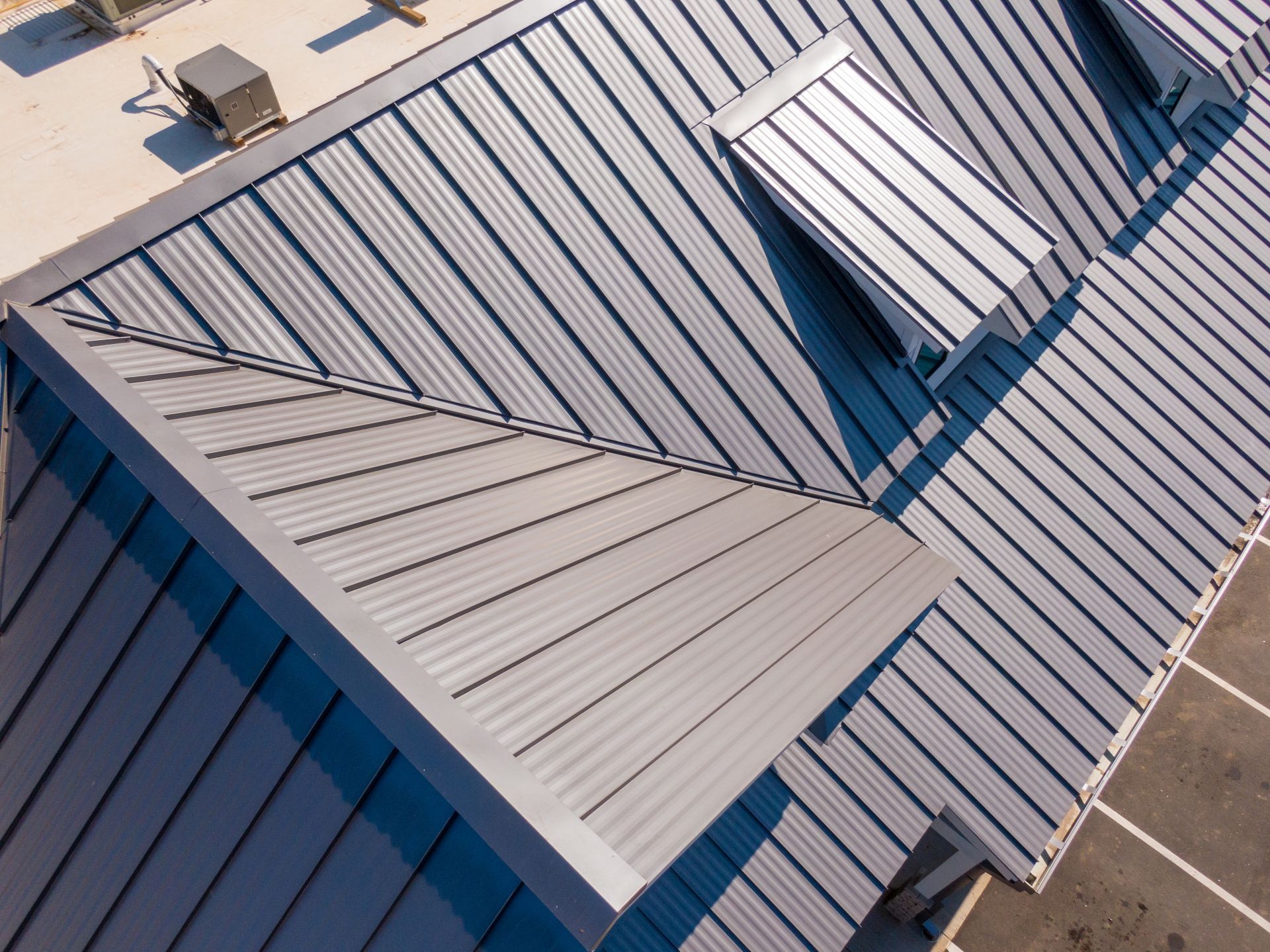
Standing-seam metal roofing resists the two forces that destroy most coastal roofs: salt air corrosion and hurricane-force wind uplift. On Point Roofing Co installs metal panel and standing-seam systems on residential and commercial properties across the Port City, from Landfall to Carolina Beach, where homeowners choose metal specifically because it outlasts asphalt shingles in these conditions. Metal panels lock together along raised seams that provide no entry point for wind or water, and the material itself does not degrade under salt exposure the way organic-based roofing products do.
Installing metal roofing on coastal North Carolina properties requires understanding thermal expansion behavior in Southeast humidity and selecting panel clips engineered for the movement that happens as temperatures shift. Crews unfamiliar with coastal climates often use fixed fasteners or incorrect clip spacing, which leads to oil-canning—visible waviness in panel surfaces—and seam failure as the metal expands and contracts. Proper clip selection and spacing allow the panels to move without stressing seams or creating the visual distortion that signals an installation problem.
Arrange a property assessment to evaluate whether your roof structure can support metal panel weight and to review panel profile options.
Why Metal Performs in Port City Conditions
Metal roofing panels made from galvanized steel or aluminum do not absorb moisture, support algae growth, or lose protective coatings the way asphalt shingles do under salt air. The standing-seam design places all fasteners beneath the panel surface rather than penetrating through the weather barrier, which means no exposed nail heads to corrode or create leak points. Wind clips attach each panel to the roof deck while allowing controlled movement, preventing the uplift forces that peel back shingles during sustained gusts.
Once your metal roof is installed, you will notice that debris slides off the smooth panel surface rather than accumulating in shingle texture, and you will not see the granule loss or algae streaking that marks aging asphalt roofs. The seams remain locked and flat even after years of thermal cycling, and the roof continues to reflect rather than absorb heat, which reduces cooling costs during the humid summer months. On Point Roofing Co uses coastal-grade fasteners and clips rated for salt air exposure, ensuring that every component of the system resists corrosion over the roof's service life.
Metal roofing costs more upfront than asphalt shingles but requires almost no maintenance and carries a functional lifespan two to three times longer in coastal environments. The material does not require replacement after hurricane damage the way shingle roofs often do, and insurance carriers in wind zones frequently offer premium reductions for metal roofing because of its superior wind resistance.
Answers to Frequent Service Questions
Property owners considering metal roofing often ask about installation details specific to the Port City climate and how the material performs compared to traditional options.
How much does metal roofing cost compared to shingles in Wilmington?
Metal roofing typically costs two to three times more than asphalt shingle installation, but the material lasts 40 to 50 years in coastal conditions compared to 15 to 20 years for shingles, making the lifetime cost comparable or lower.
What is oil-canning and how do you prevent it?
Oil-canning is visible waviness in metal panels caused by thermal expansion stress when panels are fastened too rigidly, and it is prevented by using floating clip systems that allow controlled movement as temperatures change throughout the day.
Will a metal roof make my house hotter?
Metal roofing reflects solar heat rather than absorbing it like asphalt shingles, which reduces attic temperatures and lowers cooling costs during Wilmington's long summer season.
When is the best time to install a metal roof?
Metal roofing can be installed year-round, but scheduling during fall or winter avoids the peak heat and humidity that make thermal expansion most pronounced during installation.
Why do some metal roofs fail at the seams?
Seam failure happens when panel clips are spaced incorrectly or when fixed fasteners prevent thermal movement, causing stress concentrations that eventually separate the seam connection.
On Point Roofing Co applies coastal-specific metal installation practices developed for Port City conditions, including clip engineering for humidity-driven expansion and fastener selection that resists salt air corrosion. Call to discuss panel profiles and material options suited to your property's exposure level.